Tree Company
Butternut
Butternut
Couldn't load pickup availability
Butternut Tree - Native Nut & Shade Tree for Ontario Landscapes
Plant a rare and beautiful native tree with history, character, and long-term value.
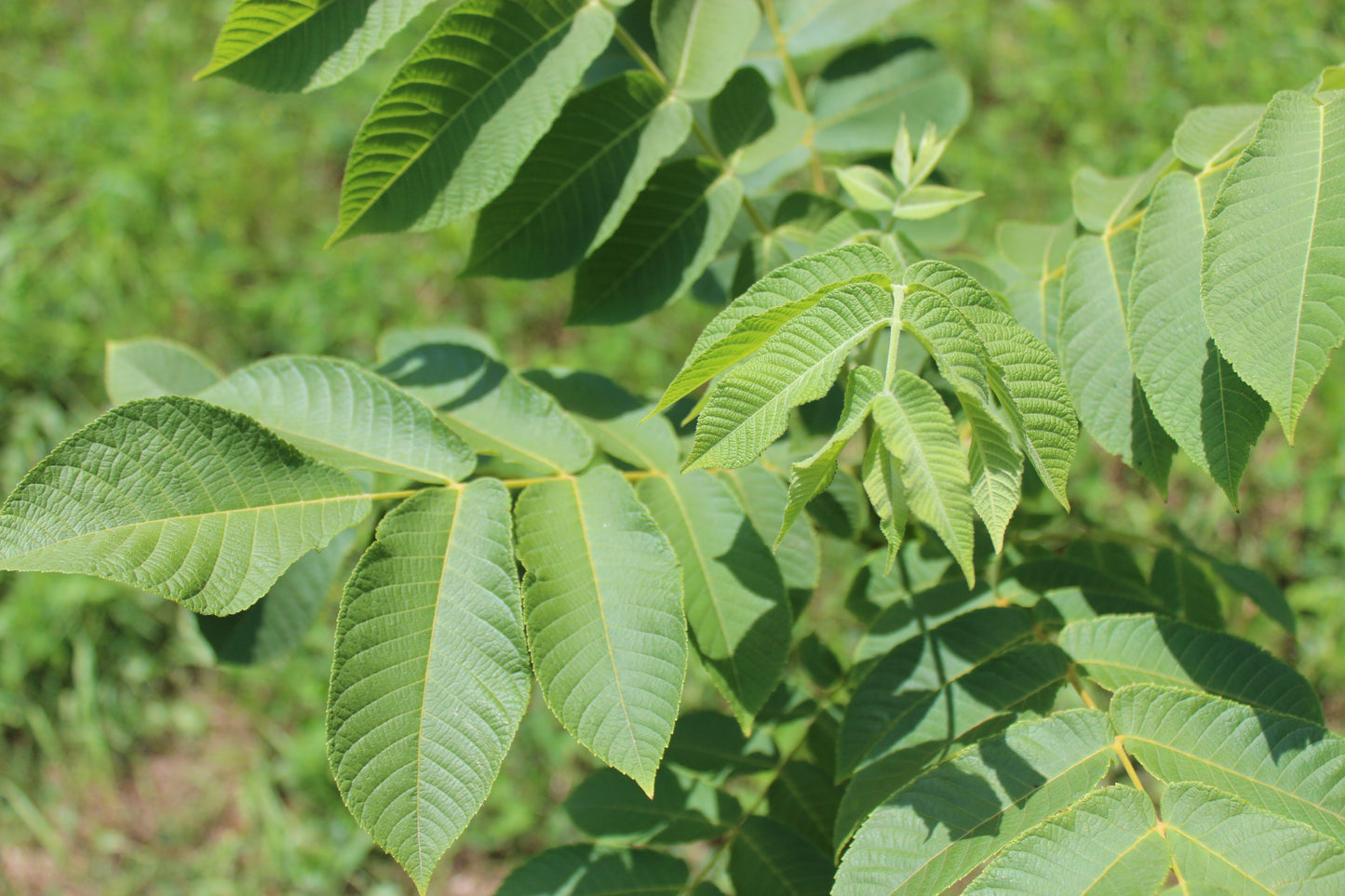
The Butternut Tree (also known as White Walnut) is a fast-growing native hardwood valued for its attractive form, edible nuts, and natural woodland charm. It develops a broad canopy and makes an excellent feature tree for larger properties, rural landscapes, and naturalized plantings.
Our Butternut trees are healthy, container-grown stock, approximately 2–3 feet tall, ready to establish quickly once planted.
Why This Tree Is a Smart Investment
✔ Native Ontario hardwood species
✔ Fast growth when planted in full sun
✔ Produces edible nuts for wildlife and home use
✔ Strong, deep root system once established
✔ Unique woodland character and natural beauty
A great choice for customers looking for a native shade tree with ecological value.
Size You Receive
Height: Approx. 2–3 ft tall
Container: 2 Gallon Trade Pot
Healthy, nursery-grown stock. Ready for spring or fall planting. Young container trees establish faster and adapt quickly to their planting location.
What Your Butternut Will Become
Over time, your Butternut develops into a broad, spreading shade tree with a light, open canopy. Mature trees provide natural character, edible nuts, and excellent wildlife value — making them a beautiful long-term addition to larger landscapes.
Tree Specifications
Botanical Name: Juglans cinerea
Common Name: Butternut (White Walnut)
Tree Type: Deciduous shade & nut tree
Hardiness Zone: 3–7 (very winter hardy)
Light Requirement: Full Sun (shade intolerant)
Soil Type: Well-drained, fertile soils preferred; tolerates moist to moderately dry sites
Ease of Growth: Moderate — prefers open sunny locations
Water Needs: Moderate during establishment
Growth & Mature Size
Growth Rate: Fast-growing native hardwood
Mature Height: Up to 25–30 m (approx. 80–100 ft)
Mature Width: Broad, spreading canopy
Growth Form: Medium to large tree with irregular natural crown
Best planted where it has room to mature naturally.
Simple Planting & Care
1️⃣ Plant in a full sun location
2️⃣ Choose well-drained soil with good airflow
3️⃣ Water consistently during the first growing season
4️⃣ Mulch lightly around the base to conserve moisture
Butternut does best when given plenty of light and space to grow.
Nursery Quality
- Container-grown for easier establishment
- Healthy young trees selected for strong root development
- Locally grown stock suited to Ontario growing conditions
Important Ontario Note
Butternut is considered an endangered native tree in Ontario due to butternut canker, a naturally occurring fungal disease affecting wild populations.
Planting nursery-grown trees helps support the continued presence of this native species in managed landscapes.
Perfect For
- Large residential yards
- Rural and farm properties
- Naturalized landscapes
- Native tree plantings
- Wildlife-friendly landscapes
Trees That Pair Well With Butternut
The following trees work really well with the Butternut:
Burr Oak — Best Overall Companion
Why it works:
- Both are large native hardwoods
- Similar long-term growth habits
- Strong “legacy tree” pairing
- Appeals to rural and acreage buyers
Eastern White Pine — Natural Forest Look
Why it works:
- Soft evergreen texture contrasts with broad walnut leaves
- Very natural Ontario woodland combination
- Adds vertical evergreen presence without competing visually
- Works well on larger properties
Norway Spruce — Structure and Backdrop
Why it works:
- Gives strong evergreen structure behind the open Butternut canopy
- Adds year-round interest
- Easy for customers to visualize as a finished landscape
- Helps balance large deciduous trees
Red Oak — Long Term Hardwood Balance
Why it works:
- Similar scale and lifespan
- Different leaf texture creates visual contrast
- Feels like a mature woodland planting
Share